
Instantly and Smartlead alternative: warm-up and verification included
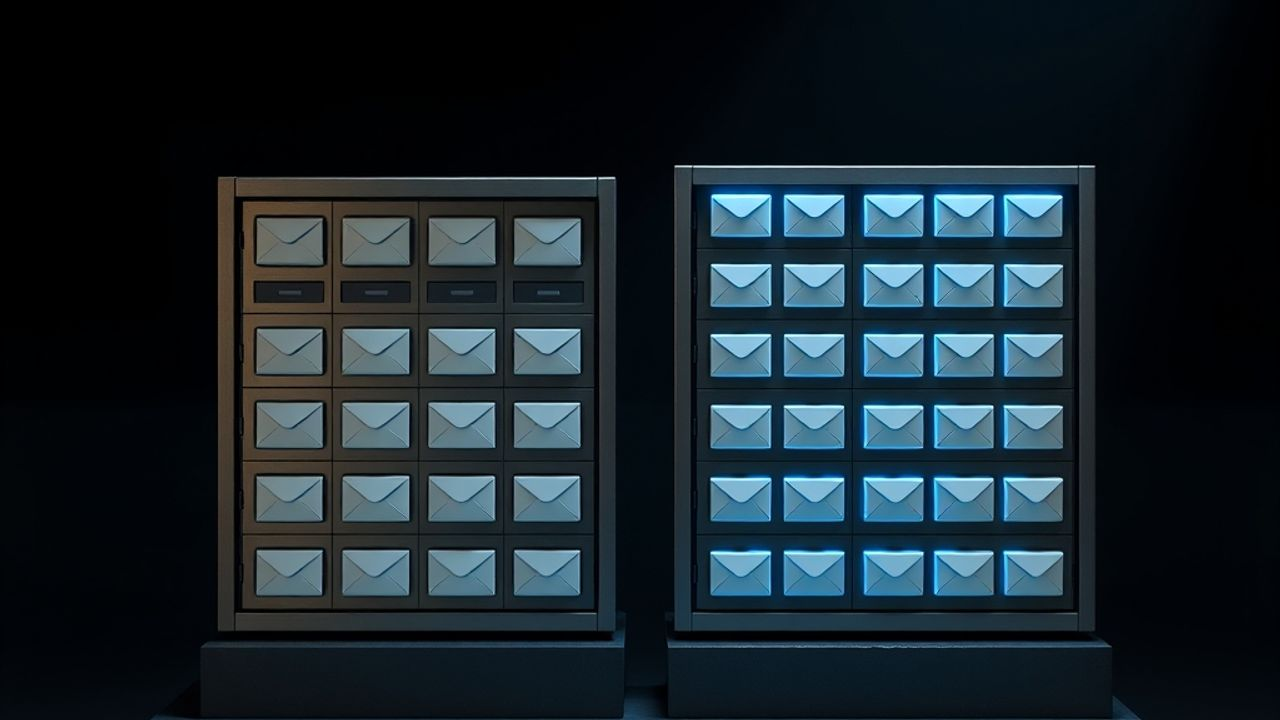
Instantly and Smartlead both built their reputation on the same insight: at volume, cold email is a deliverability problem long before it is a copywriting problem. Unlimited mailboxes, rotation, warm-up pools and inbox placement testing are what you are actually buying. Reach takes the same view and comes free with a Cryptool account, with the verification built into the product rather than sold as credits.
What Instantly and Smartlead do well
Both are strong products and the category is better for them existing. Large warm-up networks, unlimited or near-unlimited mailbox connections on the right tier, inbox placement testing across providers, and a unified inbox for replies. Smartlead's sub-sequence logic and Instantly's deliverability tooling are both genuinely good. If you are running cold email at serious volume as an agency, either is a defensible choice.
Where the bill creeps
The pattern is consistent across the category. The sending plan is one line, lead verification is another, and the volume you actually need sits a tier or two above the price you first saw. Verification in particular is usually metered, so the hygiene step that protects your domain is the step you are incentivised to skip.
That incentive is backwards. A bounce rate above a few percent is exactly what gets a sending domain throttled, so the check that costs extra is the one you can least afford to ration.
What Reach does
Verification is part of the product, not a credit pack. Three escalating checks: syntax, domain MX, then an SMTP recipient probe that asks the receiving server whether the mailbox exists and stops before sending anything. Catch-all domains are caught with a random-address control probe and reported as unconfirmed rather than counted as good. No external service and no API key.
It runs continuously and it is enforced at send. The scheduler verifies around a hundred and twenty unchecked addresses a minute, so a list imported in the evening is clean by morning. Independently of that, the dispatcher refuses to send to an address that has never been checked: it verifies first, and a dead address bounces the enrollment instead of burning your domain. That guarantee holds even with background checking switched off.
Your own mailboxes, in bulk. Connect inboxes by CSV upload, with provider presets, per-mailbox daily limits, warm-up, rotation, and a test send from every mailbox before you go live. Capacity is the sum of your daily limits.
Sending discipline. Randomised send intervals, send days, a sending window and timezone including per-prospect timezone, adaptive sending, and open and click tracking with a custom tracking domain.
Sequences with real branching. Sixteen steps, five A/B versions each, conditions on reply, open and click, and wait-steps that park an enrollment until the condition flips, with a timeout that either skips or sends anyway.
Guards against the send you would regret. Empty-snippet detection blocks any message still containing an unfilled merge tag, fallbacks make blank fields read naturally, and duplicates, suppression and unsubscribes are handled as standard.
Choosing between them
If you run cold email as your core business, at agency volume, across many client domains, the specialist tools have depth Reach does not: larger warm-up networks and mature placement testing across more providers. If you are a team running your own outreach and you want verification that is never rationed, your own mailboxes, and no monthly bill, Reach covers it. Deliverability is not a feature you buy once, it is a discipline, and the tool should not charge you for practising it.
Common questions
Does Reach charge for email verification?
No. Verification is built in with no external service, no API key and no per-check credits, and it runs on your whole list continuously as well as before every first send.
How does the SMTP probe work without sending anything?
It opens a conversation with the receiving mail server and asks whether the recipient exists, then stops before the DATA stage where a message body would be transmitted. Nothing is delivered and nothing appears in the recipient's mailbox.
What if my host blocks outbound port 25?
The SMTP probe needs port 25. Where it is blocked you switch that check off and verification degrades gracefully to the syntax and domain level checks.
Does Reach have a warm-up pool?
Warm-up is supported per mailbox. The specialist tools operate larger warm-up networks, and if network size is your deciding factor they are ahead on it.
Can I bring the mailboxes I already warmed up elsewhere?
Yes. Mailboxes are yours, connected by SMTP and IMAP, and you can bulk import many at once from a CSV.
Where do I start?
Open Reach, connect your mailboxes, and send a test from each before your first campaign.


'%3e%3cpath%20d='M3.58464%2016.6693C3.1263%2016.6693%202.73394%2016.5061%202.40755%2016.1797C2.08116%2015.8533%201.91797%2015.4609%201.91797%2015.0026V5.0026C1.91797%204.54427%202.08116%204.15191%202.40755%203.82552C2.73394%203.49913%203.1263%203.33594%203.58464%203.33594H16.918C17.3763%203.33594%2017.7687%203.49913%2018.0951%203.82552C18.4214%204.15191%2018.5846%204.54427%2018.5846%205.0026V15.0026C18.5846%2015.4609%2018.4214%2015.8533%2018.0951%2016.1797C17.7687%2016.5061%2017.3763%2016.6693%2016.918%2016.6693H3.58464ZM10.2513%2010.8359L16.918%206.66927V5.0026L10.2513%209.16927L3.58464%205.0026V6.66927L10.2513%2010.8359Z'%20fill='%232F4644'/%3e%3c/g%3e%3c/svg%3e)


'%3e%3cpath%20d='M17.6986%203.85159L15.058%2016.3047C14.8587%2017.1836%2014.3392%2017.4024%2013.6009%2016.9883L9.57749%2014.0235L7.63608%2015.8906C7.42124%2016.1055%207.24155%2016.2852%206.82749%2016.2852L7.11655%2012.1875L14.5736%205.44924C14.8978%205.16018%2014.5033%205.00002%2014.0697%205.28909L4.85093%2011.0938L0.882175%209.85159C0.0188933%209.58205%200.00326826%208.9883%201.06186%208.57424L16.5853%202.59377C17.3041%202.32424%2017.933%202.75393%2017.6986%203.85159Z'%20fill='%232F4644'/%3e%3c/g%3e%3cdefs%3e%3cclipPath%20id='clip0_17601_246206'%3e%3crect%20width='17.5'%20height='20'%20fill='white'%20transform='translate(0.25)'/%3e%3c/clipPath%3e%3c/defs%3e%3c/svg%3e)