
Cryptool vs Rotki
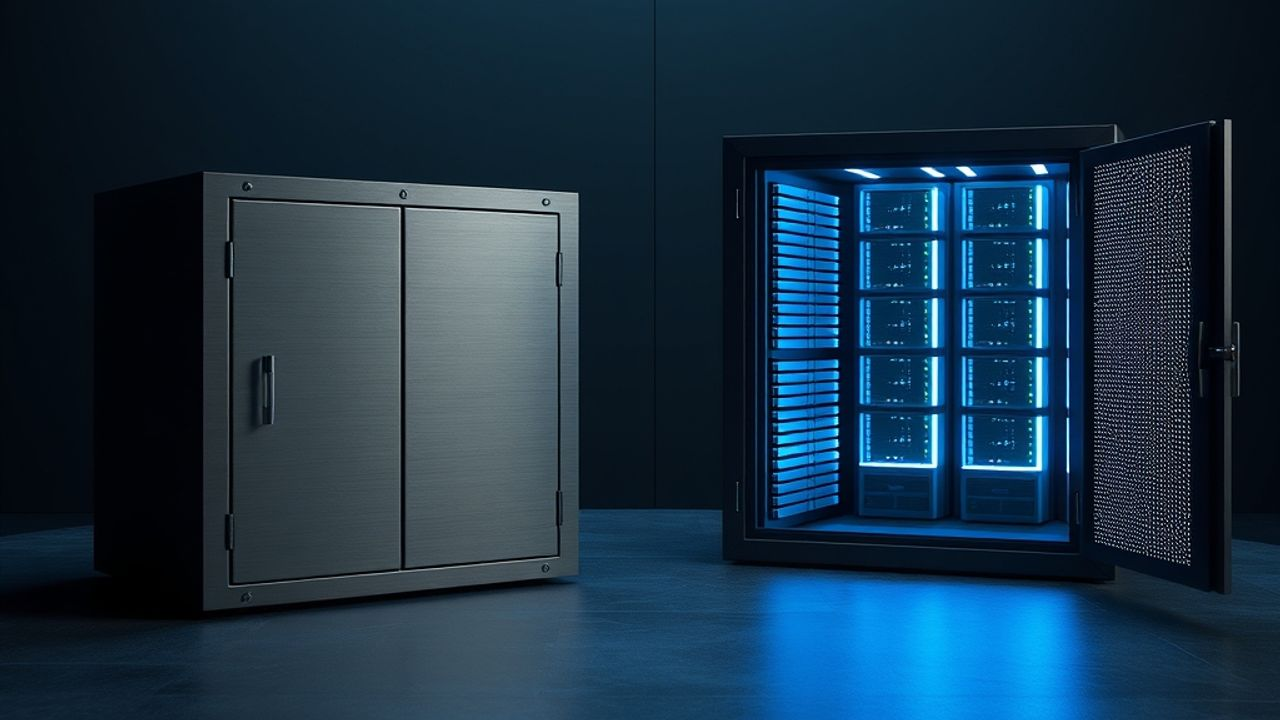
Cryptool vs Rotki comes down to whether you need privacy-first local portfolio tracking or a hosted platform that combines portfolio management with fund operations. Rotki is an open-source tracker that stores all data on your own machine, giving you complete control over your financial information. Cryptool.io is a hosted crypto investment operating system that tracks portfolios across all chains and adds fund administration, syndicate management, capital raising and investor reporting in one place.
What Rotki is good at
Rotki is genuinely the best option if privacy and local data control matter more than convenience. The software runs entirely on your machine. Your wallet addresses, transaction history and portfolio data never leave your computer unless you choose to sync them. This matters for anyone who does not want a third party seeing their holdings or transaction patterns.
Rotki is open source, which means the code is public and auditable. You can verify what it does, modify it, and run it without trusting a company to protect your data. The software connects to multiple chains, exchanges and DeFi protocols to pull transaction history and calculate cost basis. It generates tax reports across many jurisdictions, which is its main use case for most people.
The trade-off is setup complexity. You install the software, configure data sources, and maintain it yourself. Updates are manual. There is no hosted service, no mobile app, and no shared access for a team. If you manage a fund or syndicate, every member needs their own Rotki instance and there is no way to consolidate positions or generate group reports.
Rotki is the right choice for individuals who prioritize privacy and are comfortable with local software. It is not built for groups, and it does not handle fund operations.
What Cryptool does differently
Cryptool.io is a hosted platform, which means you log in through a browser and your data sits on Cryptool's servers. This is the opposite design choice from Rotki, and it exists for a different reason: groups need shared access to the same data, and fund managers need to track member allocations, vesting schedules and investor positions in one system.
Cryptool tracks portfolios across all chains and all wallet providers, non-custodial. You connect wallets by address and Cryptool reads balances automatically. Liquid and unvested allocations both appear in the same view. If you hold locked tokens from a private deal or a vesting schedule, those show up alongside your liquid holdings.
The fund operations side is where the platform diverges from portfolio trackers entirely. You can run a capital raise end to end, set vesting schedules at pool creation, manage member allocations, and generate investor reports. Syndicate managers track per-member positions and distribute tokens on-chain when vesting unlocks. The OTC marketplace lets groups trade allocations, including unvested ones, between counterparties.
Groups of any size can share access to the same portfolio, deal pipeline and member records. A fund admin sees the whole book. An LP sees only their own position through the investor portal. This shared-access model is why Cryptool is hosted rather than local: a fund with 50 members cannot run 50 separate instances of local software and expect the numbers to match.
Cryptool is the right choice for funds, syndicates, VCs and anyone managing group investments or running raises. It is not the right choice if you need local data storage or open-source code.
Feature comparison
| Capability | Rotki | Cryptool.io |
|---|---|---|
| Multi-chain portfolio tracking | Yes | Yes |
| Multi-wallet support | Yes | Yes |
| Non-custodial | Yes | Yes |
| Local data storage | Yes | No |
| Open source | Yes | No |
| Hosted service | No | Yes |
| Mobile access | No | Yes |
| Group access and shared portfolios | Not a focus | Yes |
| Unvested allocation tracking | Not a focus | Yes |
| Fund administration | Not a focus | Yes |
| Syndicate management | Not a focus | Yes |
| Capital raising | Not a focus | Yes |
| Token vesting schedules | Not a focus | Yes |
| Investor reporting | Not a focus | Yes |
| OTC marketplace | Not a focus | Yes |
| Deal pipeline management | Not a focus | Yes |
Which one should you pick
Pick Rotki if you are an individual investor who values privacy and local control over convenience. You do not want a third party seeing your wallet addresses or transaction history, and you are comfortable installing and maintaining software on your own machine. Rotki gives you full ownership of your data and generates tax reports across multiple jurisdictions. It is the best privacy-first option available.
Pick Cryptool.io if you manage a fund, run a syndicate, or need to track group investments with shared access. You need member allocations, vesting schedules, investor reporting and capital raising in the same place as portfolio tracking. The multi-chain portfolio tracker with fund admin model means one system replaces a tracker, a spreadsheet, a vesting tool and a fund administrator. If you are comparing hosted versus self-hosted portfolio tracking, the trade-off is privacy for operational capability.
Pick Rotki if you are a solo trader or investor and privacy is the top priority. Pick Cryptool.io if you are managing group investments, running raises, or tracking unvested allocations alongside liquid holdings. The two products serve different needs and both do their job well.
FAQ
What is the main difference between cryptool vs rotki?
Rotki is a privacy-first, open-source portfolio tracker that runs locally on your machine and stores all data there. Cryptool.io is a hosted platform that combines multi-chain portfolio tracking with fund administration, syndicate management and capital raising. Rotki is for individuals who prioritize privacy. Cryptool.io is for funds, syndicates and groups that need shared access and operational tools.
Does Rotki support fund administration or syndicate management?
No. Rotki is a portfolio tracker and tax reporting tool for individual users. It does not handle group portfolios, member allocations, vesting schedules or investor reporting. If you need those capabilities, you would use a platform like Cryptool.io or manage them separately in spreadsheets and other tools.
Is Cryptool.io open source like Rotki?
No. Cryptool.io is a hosted commercial platform. The code is not public and you cannot run it locally. The trade-off is that hosted platforms support group access, shared portfolios and fund operations that local software cannot provide. If open source and local control are requirements, Rotki is the better choice.
Can I use Rotki for a crypto fund or investment group?
You can track your own portion of a fund's portfolio in Rotki, but the software does not support group access, shared portfolios or consolidated reporting. Every member would need their own Rotki instance, and there is no way to aggregate positions or manage allocations across the group. For fund operations, you would need a platform built for that purpose, like Cryptool.io for syndicate management.
Does Cryptool.io offer the same privacy as Rotki?
No. Cryptool.io is a hosted service, which means your wallet addresses and portfolio data are stored on Cryptool's servers. The platform is non-custodial and does not hold your funds, but it does see your addresses and balances. Rotki stores all data locally on your machine, which is more private. The design difference reflects different use cases: privacy-first individual tracking versus group operations that require shared access.
Which platform is better for tracking unvested allocations?
Cryptool.io tracks unvested allocations alongside liquid holdings and manages vesting schedules at pool creation. Rotki focuses on liquid portfolio tracking and tax reporting. If you hold locked tokens from private deals or need to manage vesting schedules across wallets, Cryptool.io is built for that. Rotki is not.


'%3e%3cpath%20d='M3.58464%2016.6693C3.1263%2016.6693%202.73394%2016.5061%202.40755%2016.1797C2.08116%2015.8533%201.91797%2015.4609%201.91797%2015.0026V5.0026C1.91797%204.54427%202.08116%204.15191%202.40755%203.82552C2.73394%203.49913%203.1263%203.33594%203.58464%203.33594H16.918C17.3763%203.33594%2017.7687%203.49913%2018.0951%203.82552C18.4214%204.15191%2018.5846%204.54427%2018.5846%205.0026V15.0026C18.5846%2015.4609%2018.4214%2015.8533%2018.0951%2016.1797C17.7687%2016.5061%2017.3763%2016.6693%2016.918%2016.6693H3.58464ZM10.2513%2010.8359L16.918%206.66927V5.0026L10.2513%209.16927L3.58464%205.0026V6.66927L10.2513%2010.8359Z'%20fill='%232F4644'/%3e%3c/g%3e%3c/svg%3e)


'%3e%3cpath%20d='M17.6986%203.85159L15.058%2016.3047C14.8587%2017.1836%2014.3392%2017.4024%2013.6009%2016.9883L9.57749%2014.0235L7.63608%2015.8906C7.42124%2016.1055%207.24155%2016.2852%206.82749%2016.2852L7.11655%2012.1875L14.5736%205.44924C14.8978%205.16018%2014.5033%205.00002%2014.0697%205.28909L4.85093%2011.0938L0.882175%209.85159C0.0188933%209.58205%200.00326826%208.9883%201.06186%208.57424L16.5853%202.59377C17.3041%202.32424%2017.933%202.75393%2017.6986%203.85159Z'%20fill='%232F4644'/%3e%3c/g%3e%3cdefs%3e%3cclipPath%20id='clip0_17601_246206'%3e%3crect%20width='17.5'%20height='20'%20fill='white'%20transform='translate(0.25)'/%3e%3c/clipPath%3e%3c/defs%3e%3c/svg%3e)