
OTC Desk Software for Crypto, Without Losing Custody
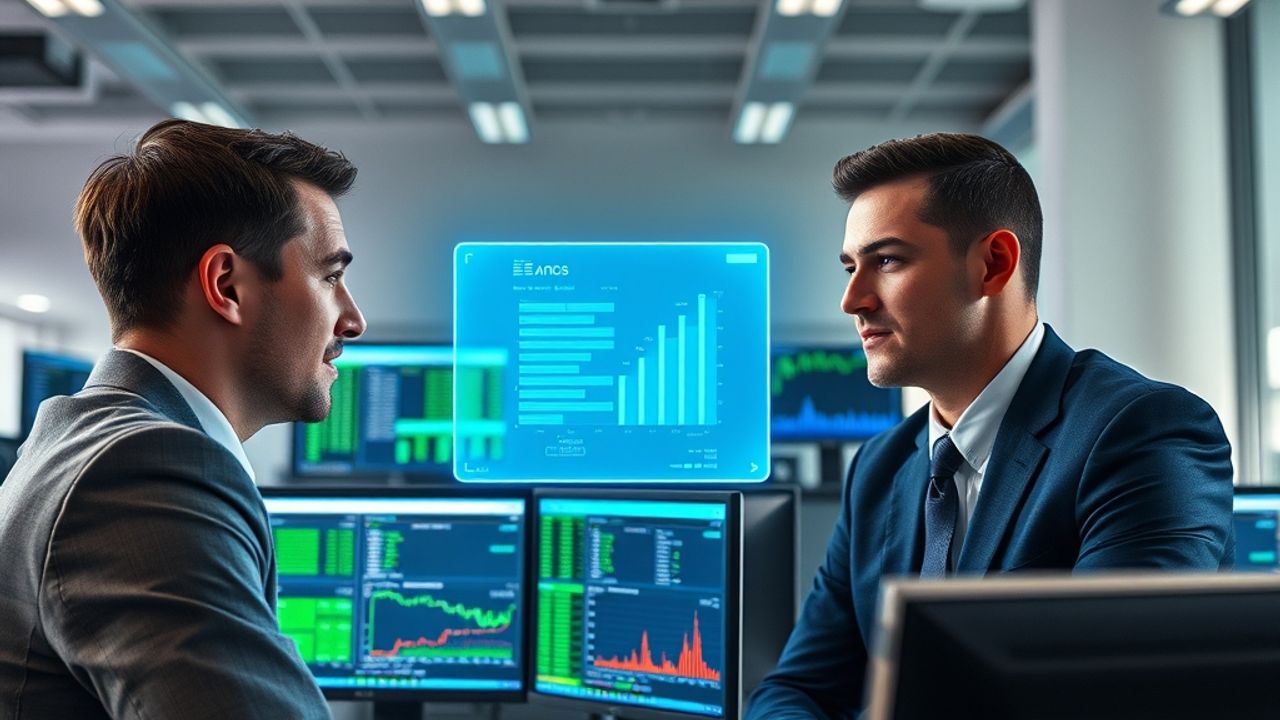
OTC desk software for crypto is the tooling that lets two parties negotiate and settle a large block trade away from a public order book, ideally without either side handing custody of their assets to an intermediary. The reason to trade OTC is slippage. The reason people are nervous about it is counterparty risk. Good software attacks the second problem without reintroducing the first.
Why blocks move off the book
A large market order eats the book. The price you see is not the price you get, and the market watches you do it. OTC solves this by matching a buyer and a seller directly at an agreed price. Nothing about that requires a third party to hold your assets, and yet most desks do exactly that.
What OTC software should actually do
1. Settlement without custody
The single question that matters: at any point in this flow, does a third party control my assets? If the answer is yes, you have swapped market risk for counterparty risk. That is a trade, not a solution.
2. A full audit trail
Who agreed to what, at what price, and when. If you manage a fund, this is not optional. You will be asked to reconstruct the trade.
3. Terms that are explicit
Price, size, settlement window, and what happens if one side does not deliver. Ambiguity here is where disputes live.
4. It should connect to your book
An OTC trade changes your portfolio and, if you run a fund, your members' allocations. If the desk is a silo, someone updates a spreadsheet afterwards, and that person eventually makes a mistake.
What to refuse
- Any flow where an intermediary custodies both sides of the trade with no recourse.
- Verbal or chat-based terms with no record. The screenshot is not an audit trail.
- A desk that cannot tell you exactly what happens on a failed settlement.
Where Cryptool fits
Cryptool includes an OTC workflow built around the same principle as the rest of the platform: non-custodial, with a full audit trail. Because OTC sits next to the portfolio, fundraising, and fund administration modules, a block trade shows up in the portfolio and in member allocations without anyone re-keying it.
If you are comparing desks, the useful question is not which has the tightest spread on a quiet day. It is which one never asks you to hand over your assets to find out.
What Cryptool does not do
Worth stating plainly, because you will find out anyway:
- Fundraising is chain-limited. Portfolio tracking and fund administration cover all chains and all wallet providers. Raises themselves currently run on BNB Chain, Ethereum, and MultiversX only.
- NFTs. Cryptool does not track NFT portfolios yet.
- Tax reporting. Not available yet. Use a dedicated tool such as Koinly or CoinTracker and treat Cryptool as the upstream source of transactions.
- KYC and automated compliance. Cryptool is not a compliance product. It gives you the audit trail and reporting, not the legal workflow.
- Automatic wallet detection. You add the wallets you want to track. Nothing is discovered for you.
Common questions
What is OTC trading in crypto?
A trade negotiated directly between two parties rather than executed against a public order book, typically used for large blocks where market impact and slippage would be severe.
Do I have to give an OTC desk custody of my assets?
No, and you should push back when asked. Non-custodial settlement is possible, and custody converts a market-impact problem into a counterparty problem.
Why does an OTC desk need to connect to portfolio software?
Because the trade changes your positions and, for a fund, your members' allocations. A desk that does not write back to your book guarantees a manual reconciliation step, which is where errors enter.
'%3e%3cpath%20d='M3.58464%2016.6693C3.1263%2016.6693%202.73394%2016.5061%202.40755%2016.1797C2.08116%2015.8533%201.91797%2015.4609%201.91797%2015.0026V5.0026C1.91797%204.54427%202.08116%204.15191%202.40755%203.82552C2.73394%203.49913%203.1263%203.33594%203.58464%203.33594H16.918C17.3763%203.33594%2017.7687%203.49913%2018.0951%203.82552C18.4214%204.15191%2018.5846%204.54427%2018.5846%205.0026V15.0026C18.5846%2015.4609%2018.4214%2015.8533%2018.0951%2016.1797C17.7687%2016.5061%2017.3763%2016.6693%2016.918%2016.6693H3.58464ZM10.2513%2010.8359L16.918%206.66927V5.0026L10.2513%209.16927L3.58464%205.0026V6.66927L10.2513%2010.8359Z'%20fill='%232F4644'/%3e%3c/g%3e%3c/svg%3e)


'%3e%3cpath%20d='M17.6986%203.85159L15.058%2016.3047C14.8587%2017.1836%2014.3392%2017.4024%2013.6009%2016.9883L9.57749%2014.0235L7.63608%2015.8906C7.42124%2016.1055%207.24155%2016.2852%206.82749%2016.2852L7.11655%2012.1875L14.5736%205.44924C14.8978%205.16018%2014.5033%205.00002%2014.0697%205.28909L4.85093%2011.0938L0.882175%209.85159C0.0188933%209.58205%200.00326826%208.9883%201.06186%208.57424L16.5853%202.59377C17.3041%202.32424%2017.933%202.75393%2017.6986%203.85159Z'%20fill='%232F4644'/%3e%3c/g%3e%3cdefs%3e%3cclipPath%20id='clip0_17601_246206'%3e%3crect%20width='17.5'%20height='20'%20fill='white'%20transform='translate(0.25)'/%3e%3c/clipPath%3e%3c/defs%3e%3c/svg%3e)